
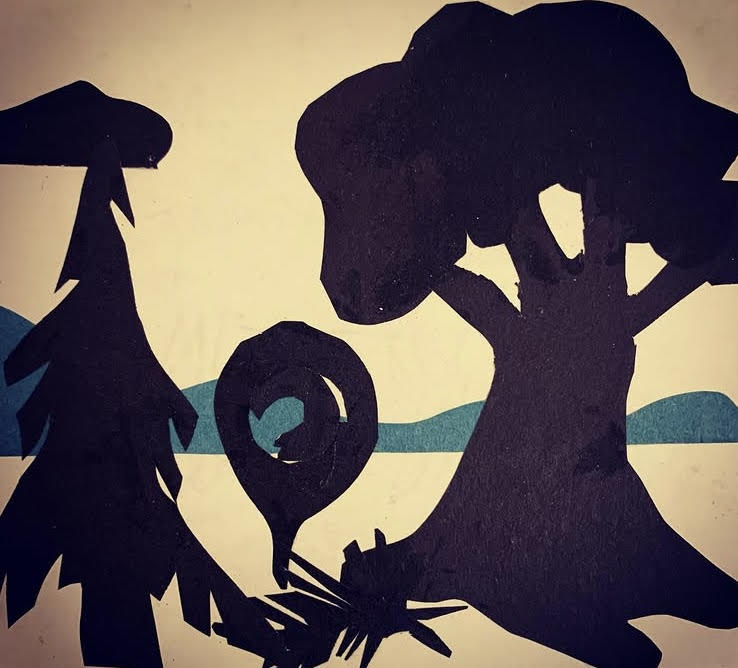
Spring is often seen as a season of renewal, yet it’s also a time when mental health conditions can intensify. One of the most common is depression.
Severe depression usually cannot be treated by a psychologist or art-therapist alone. It often requires medical support and the involvement of a psychiatrist. That’s why early recognition is essential—the sooner symptoms are identified, the sooner help can begin.
Depression: How to Recognize It Early?
Here are some key signs to watch for:
1. Persistent Low Mood
A feeling of sadness or emptiness that lasts for MORE THAN TWO WEEKS.
2. Negative Thinking Patterns
The world feels “dark,” pessimism dominates, and the ability to feel joy fades.
3. Low Energy and Slowed Movement
You may notice fatigue, lack of motivation, or even physically slower movements and reactions.
How Children Express Depression Through Drawing
Children don’t always have the words to explain how they feel—but they often show it in their drawings. While a drawing alone is not a diagnosis, certain patterns can reflect emotional distress.
Common Drawing Themes
- A single, isolated figure
- Very small self-images (feeling unimportant)
- Scenes of separation or loneliness
- Closed spaces like boxes, cages, or rooms without exits
- Rain, storms, or dark settings
- Sad faces or broken objects
- Minimal detail or effort (low energy)
How People Are Drawn
- Blank or sad facial expressions
- Missing features (eyes, hands)
- Figures turned away or disconnected from others
Color Choices and Emotional State
Color can reveal a lot about a child’s inner world:
- Dark tones dominate: black, gray, dark blue, brown
- Limited palette: using very few colors repeatedly
- Absence of bright colors like yellow or green
- Heavy or aggressive strokes
- Sometimes excessive red or chaotic coloring (possible tension or anger)
If these patterns appear consistently alongside behavioral changes—such as withdrawal, irritability, or sleep issues—it’s important to seek guidance from a mental health professional.