
-
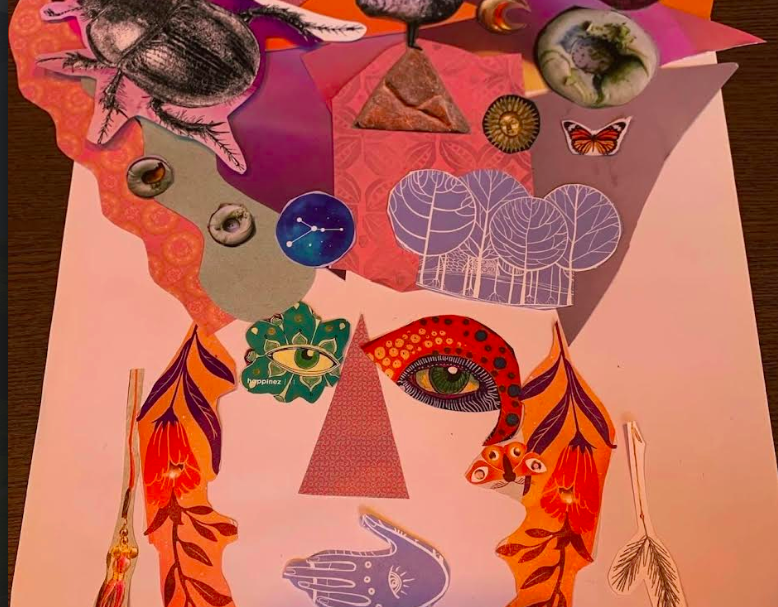
What is SoulCollage®? Developed by Seena B. Frost, SoulCollage® is a method of creating small, personal collage cards using found images, textures, and symbols. Unlike traditional art forms that may emphasize technique or aesthetics, SoulCollage focuses on intuition, spontaneity, and inner exploration. There are no rules about composition or skill—only an openness to what emerges. What makes…
-
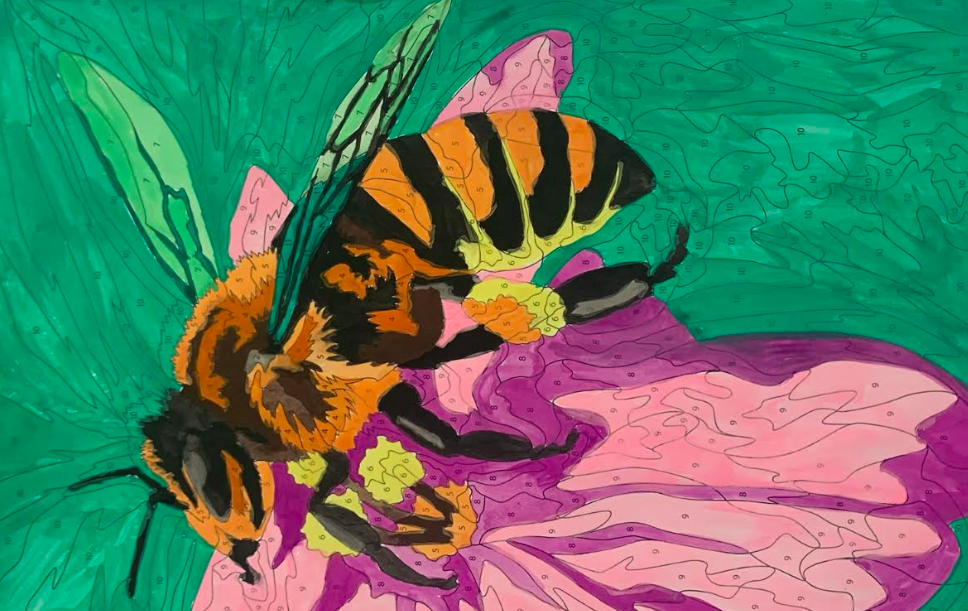
In What Ways Is Mindfulness Useful? Mindfulness—especially when combined with visual arts—offers a range of evidence-based psychological and cognitive benefits. Research supported by the American Art Therapy Associationand related fields highlights the following key areas: 1. Stress Reduction Mindfulness practices are strongly associated with decreased physiological stress. By focusing attention on the present moment—such as the…
-
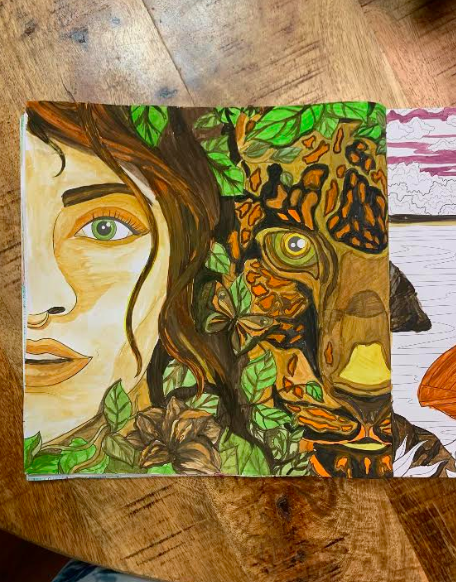
Mindfulness—the practice of maintaining present-moment awareness—has increasingly been integrated into creative and therapeutic disciplines. Within frameworks promoted by the American Art Therapy Association, visual art becomes more than expression; it serves as a structured pathway to cultivate attention, emotional regulation, and self-understanding. At its core, mindful art-making shifts attention away from artistic skill or final outcomes…
-
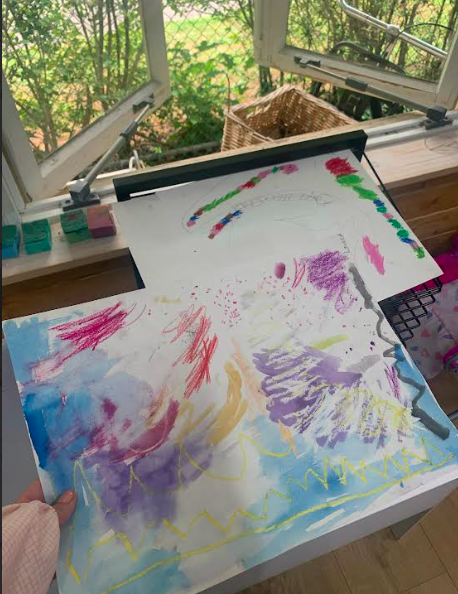
Brain injuries often leave behind symptoms that are difficult to measure, describe, or even fully understand. Beyond the visible impairments in movement or speech, many individuals experience internal changes—confusion, emotional instability, memory fragmentation, and altered perception—that resist clear verbal expression. In this context, visual arts have emerged as a powerful tool in neurorehabilitation, offering a…
-
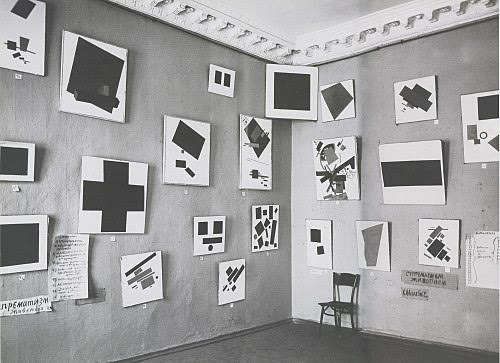
Kazimir Malevich is most often associated with the radical simplicity of Suprematism, yet his artistic vision extended far beyond the canvas. In his later explorations, Malevich became increasingly interested in how color and form could shape not only visual perception but also the psychological experience of space itself. This led him to experiment with the idea…
-
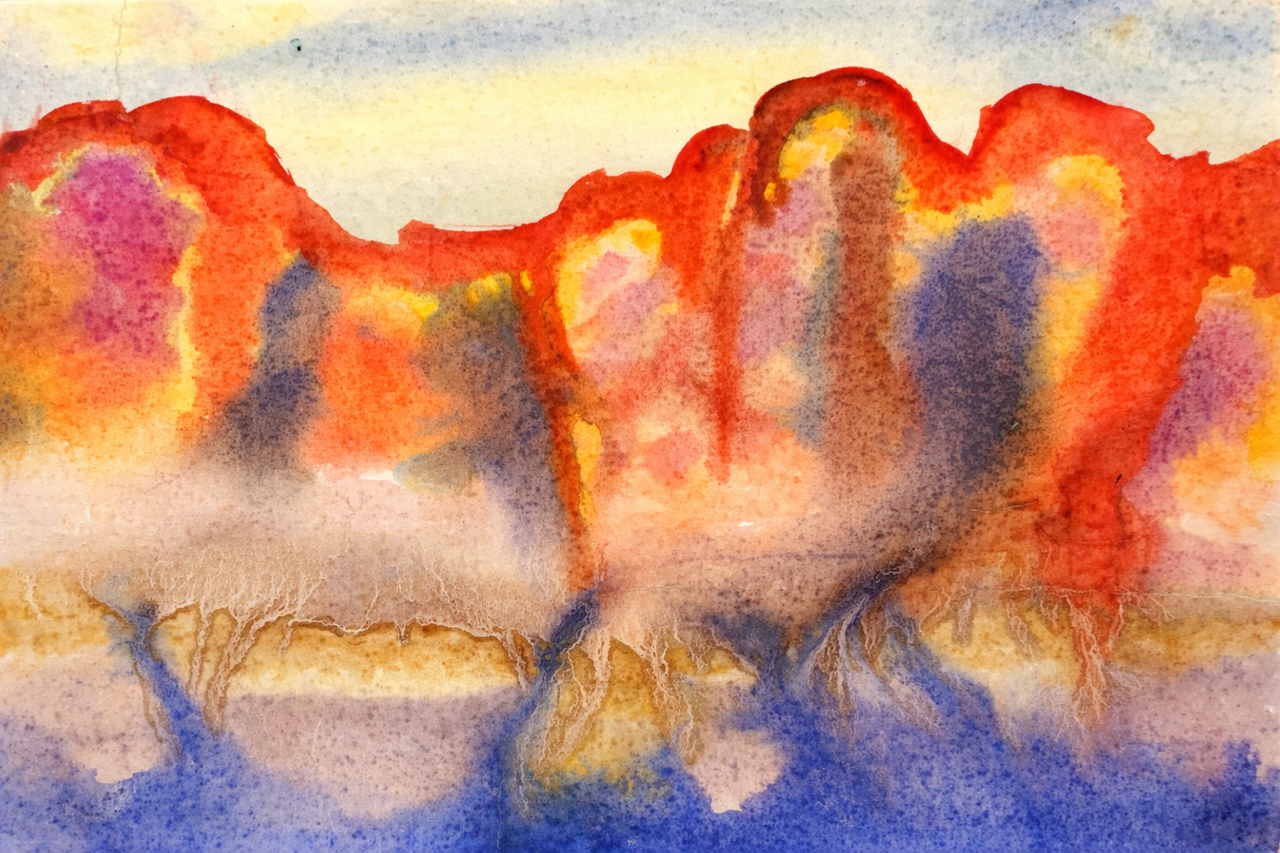
Watercolor occupies a unique and expressive place within the broader field of visual arts. Known for its fluidity, transparency, and subtle luminosity, watercolor painting offers both technical challenges and creative freedom that distinguish it from other painting media. At its core, watercolor consists of pigment suspended in a water-based solution. This simple composition gives rise…
-
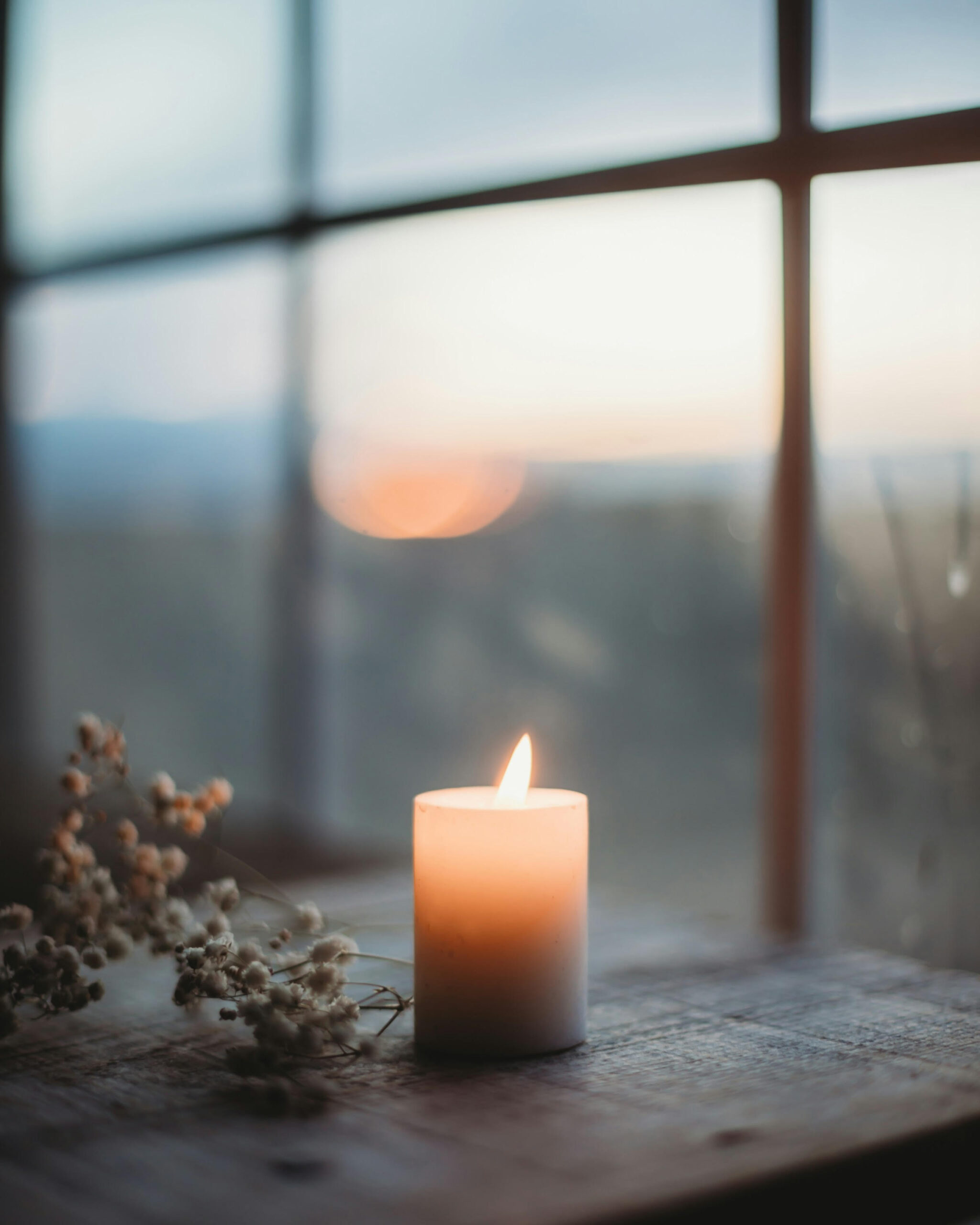
There is something deeply calming about lighting a candle. The soft glow, the warmth, and the quiet moment it creates naturally bring us back to ourselves. But in many traditions, candles are more than just decoration. They are tools for focus, intention, and transformation. Candle magic is based on a simple idea: Fire transforms energy —…
-
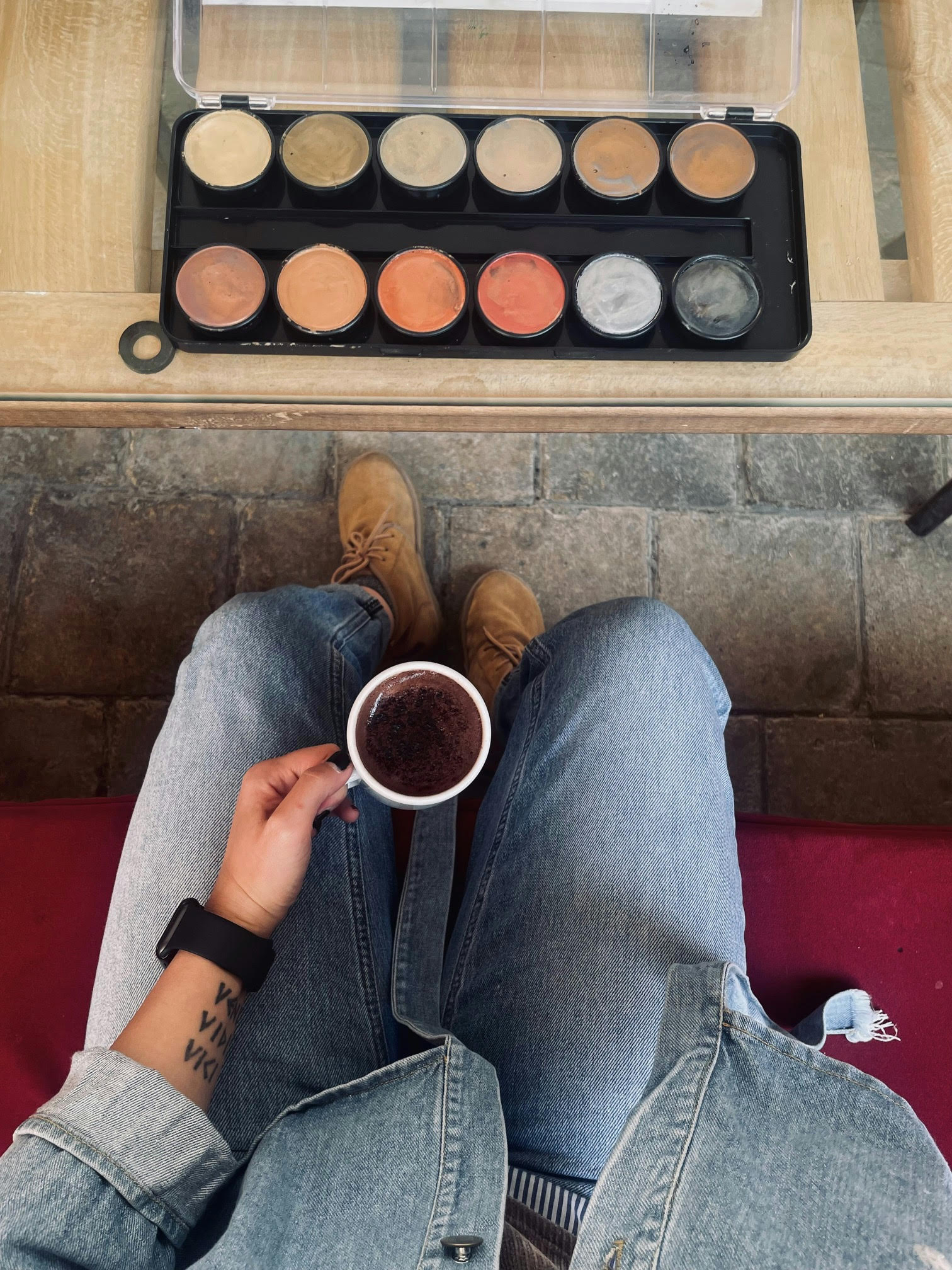
If you’ve ever noticed that it’s hard to start something, you’re not alone. This is often a sign of procrastination. Understanding why it happens is the first step toward overcoming it. From a psychological perspective, human behavior is largely driven by two core patterns: Procrastination often arises when a task feels uncomfortable, overwhelming, or emotionally charged. Why…
-

A Canadian author, Lise Bourbeau, has worked extensively with emotional trauma and was able to classify different types of wounds. One of the traumas she described is abandonment trauma. It can be observed in the following patterns: Healing this pattern requires long-term inner work. At the beginning, it may involve simply asking for attention or support…
-

Mandala coloring has gained popularity as a simple, accessible tool for reducing stress and anxiety. Rooted in art therapy practices, mandalas are structured, circular designs that are believed to promote focus, relaxation, and emotional balance. But how effective are they compared to other creative activities? A systematic review and meta-analysis by Siri Jakobsson Støre and Niklas Jakobsson examined this…