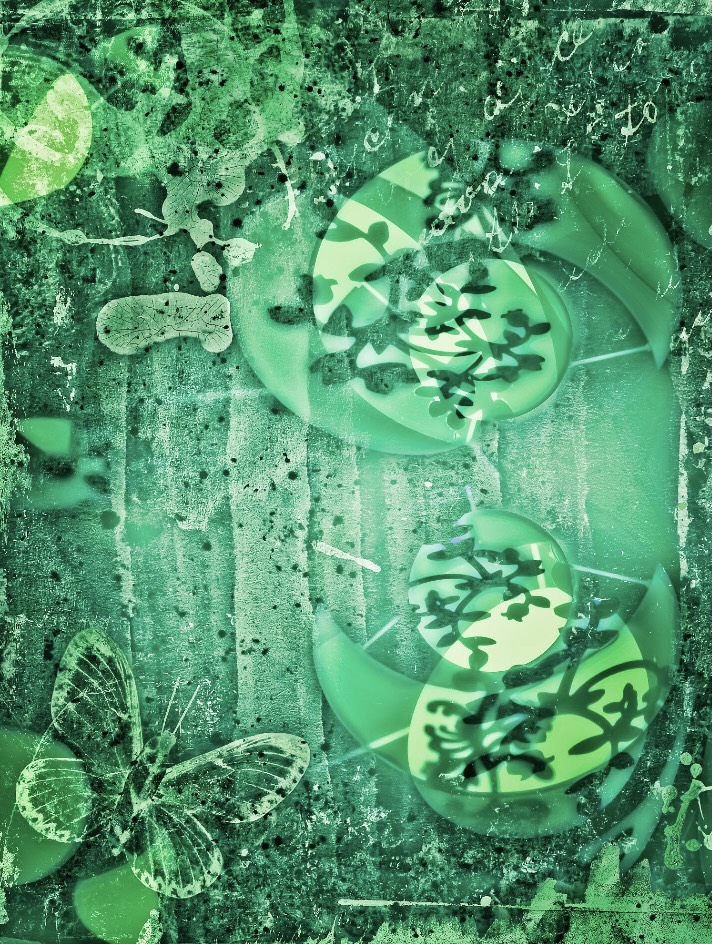

Green is the color of life. It evokes a sense of confidence and calm, requiring little effort from the eyes to perceive it, which is why it naturally soothes and restores balance. It is often associated with harmony, stability, and inner equilibrium.
Green is remarkably diverse, and its different shades can have very different effects. Lighter, fresher tones—such as sea green—can uplift the mood and bring a sense of renewal, while deeper or muted shades, like olive, may feel heavier or more subdued.
Some tones of green, especially those with a yellow undertone, may lack a calming effect altogether. In contrast, brighter and cleaner shades—such as lime—can help restore energy and spark inspiration during moments of fatigue or creative block.
Being surrounded by green often creates a feeling of relaxation, similar to the calm experienced in nature. This may explain why green is commonly used in interior design and public spaces to promote comfort and well-being.
However, an excess of green—or an imbalanced shade—can lead to feelings of stagnation or monotony, sometimes evoking associations with stillness or even decay. Green carries a dual nature: on one end, it represents growth and vitality; on the other, it may suggest decline and decomposition.