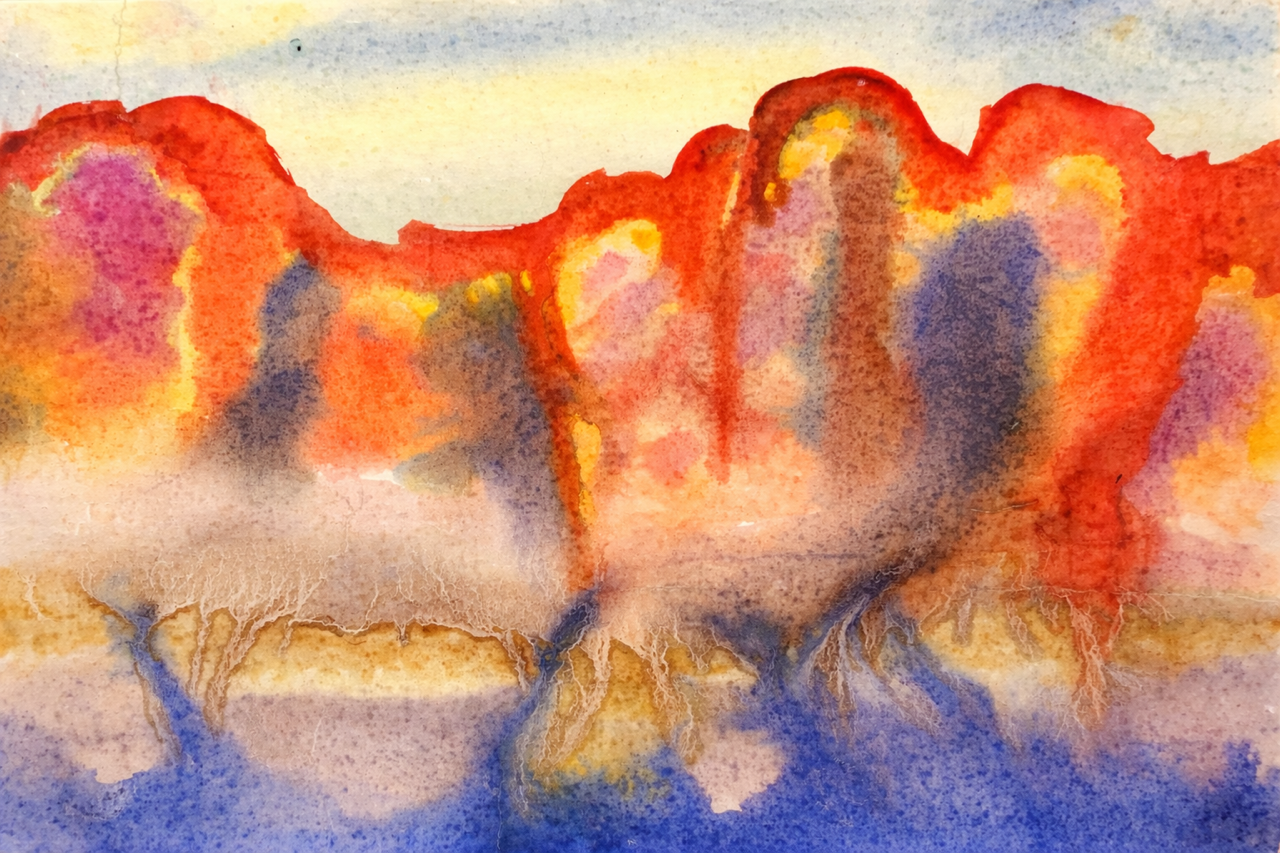
Watercolor occupies a unique and expressive place within the broader field of visual arts. Known for its fluidity, transparency, and subtle luminosity, watercolor painting offers both technical challenges and creative freedom that distinguish it from other painting media.
At its core, watercolor consists of pigment suspended in a water-based solution. This simple composition gives rise to its most defining property: transparency. Unlike oil or acrylic paints, watercolor allows light to pass through layers of pigment and reflect off the paper beneath, creating a natural glow that is difficult to replicate with other media. This makes watercolor especially well-suited for capturing atmosphere, light, and delicate transitions of color.
Another key characteristic is its fluid behavior. Watercolor responds dynamically to water, gravity, and the absorbency of the paper. Artists often embrace this unpredictability, allowing washes to spread, blend, and form organic shapes. Techniques such as wet-on-wet (applying paint to a wet surface) and wet-on-dry (painting on dry paper) produce dramatically different effects—from soft, diffused edges to crisp, controlled lines.
When compared to harder, more resistant materials—such as charcoal, ink, or sculptural media like clay or stone—watercolor offers a distinctly different pathway for emotional release. Hard materials tend to invite pressure, force, and direct control; for example, pressing charcoal into paper or carving into a surface can provide a physical outlet for tension, frustration, or intensity. These media often align with more immediate, assertive forms of expression, where emotions are discharged through strong gestures and tactile engagement.
Watercolor, by contrast, encourages a softer, more indirect emotional process. Because the medium resists force and instead responds to gentle guidance, it shifts the artist’s approach from exerting control to negotiating with the material. This can help individuals access subtler feelings—such as vulnerability, calmness, or introspection—that might be harder to express through more forceful media. The act of letting colors diffuse and merge can mirror emotional release in a gradual, flowing way rather than a sudden discharge.
Psychologically, both approaches are valuable but serve different needs. Hard materials can be particularly effective for releasing built-up tension or anger, offering a sense of physical catharsis. Watercolor, on the other hand, often supports emotional regulation and reflection, helping to process feelings in a more meditative and integrative manner. Together, they illustrate how the choice of artistic medium can shape not only the visual outcome but also the emotional experience of creating.