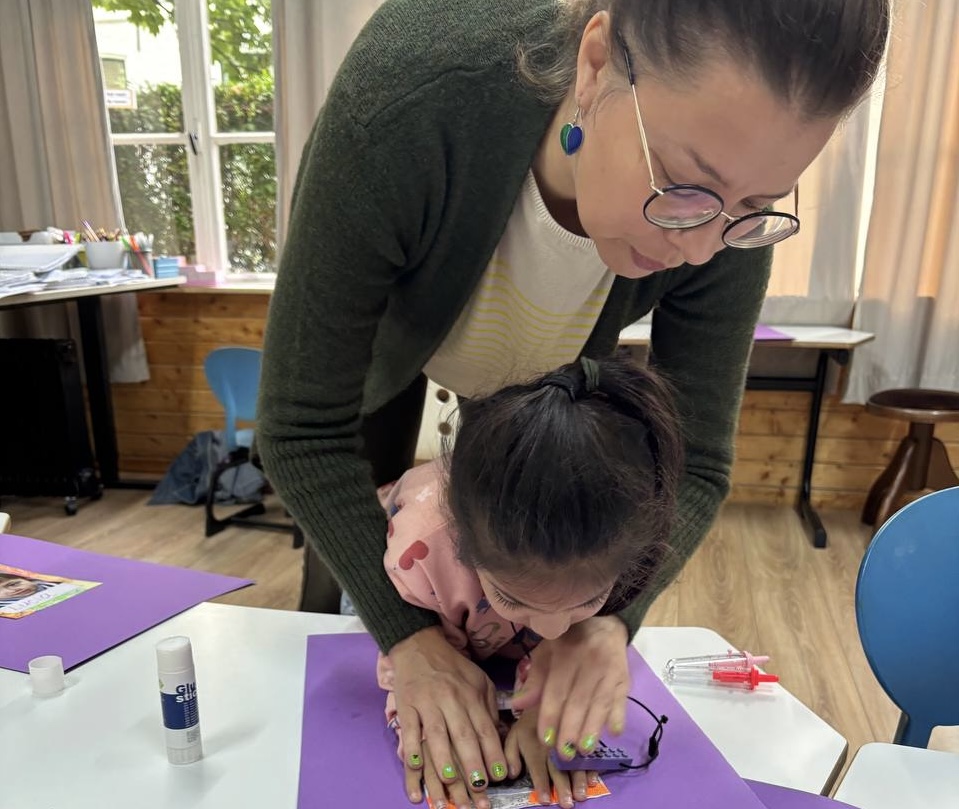
Brain injuries often leave behind symptoms that are difficult to measure, describe, or even fully understand. Beyond the visible impairments in movement or speech, many individuals experience internal changes—confusion, emotional instability, memory fragmentation, and altered perception—that resist clear verbal expression. In this context, visual arts have emerged as a powerful tool in neurorehabilitation, offering a way to make the invisible aspects of brain injury visible.
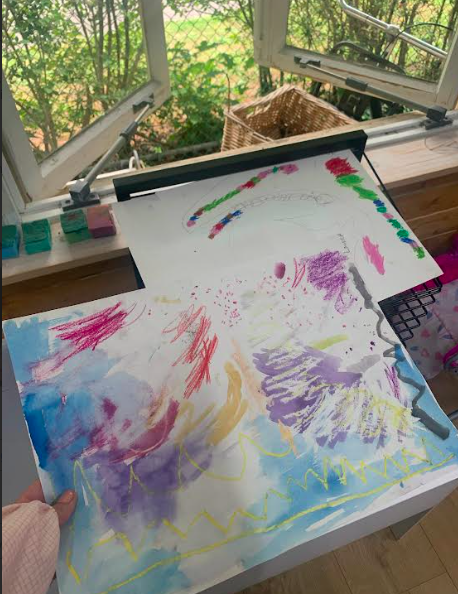
Recent research highlights how drawing and other forms of visual expression allow patients to communicate experiences that cannot easily be put into words. After a brain injury, language may be limited or unreliable, but the need to express internal states remains. Through images, colors, and forms, individuals can externalize sensations such as anxiety, disorientation, or cognitive overload. These visual representations not only provide emotional relief but also serve as valuable insights for clinicians and caregivers.
The process of creating art becomes a form of translation—converting subjective, internal experiences into something observable. For example, fragmented compositions may reflect disrupted thinking, while chaotic or blurred imagery can represent confusion or sensory overload. In this way, visual art becomes a diagnostic and interpretive bridge, helping others better understand the patient’s condition and tailoring support accordingly.
From a psychological perspective, this process can be deeply stabilizing. When individuals are able to “see” their internal experiences on paper, it can create a sense of distance and control. What once felt overwhelming and undefined becomes structured and tangible. This not only reduces emotional distress but also supports the rebuilding of cognitive coherence—the ability to make sense of one’s own thoughts and experiences.
Importantly, visual art in this context is not about aesthetic quality or artistic skill. Its value lies in its capacity to reveal and communicate. By engaging in creative practice, individuals recovering from brain injury regain a form of agency: they become active participants in expressing and understanding their condition, rather than passive subjects of it.
Ultimately, visual arts in brain injury recovery function as a new language—one that operates beyond words. They allow patients to share what cannot be spoken, clinicians to perceive what cannot be measured, and both to engage in a more nuanced and human-centered process of healing.
Reference:
Jones, K., Smith, L., & Brown, R. (2024). Art therapy and brain injury: Making the invisible visible. Frontiers in Psychology, 15.