
-

Green is the color of life. It evokes a sense of confidence and calm, requiring little effort from the eyes to perceive it, which is why it naturally soothes and restores balance. It is often associated with harmony, stability, and inner equilibrium. Green is remarkably diverse, and its different shades can have very different effects.…
-
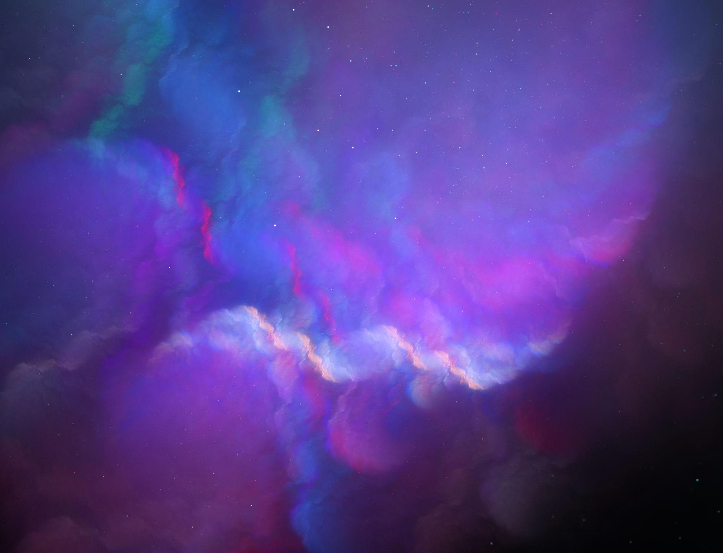
Purple is often associated with the vastness of the cosmos, evoking a sense of mystery and depth beyond the visible world. As part of the visible spectrum, purple (also referred to as violet) represents a union of opposites: the energy and strength of red combined with the calm, clarity, and structure of blue. It has…
-
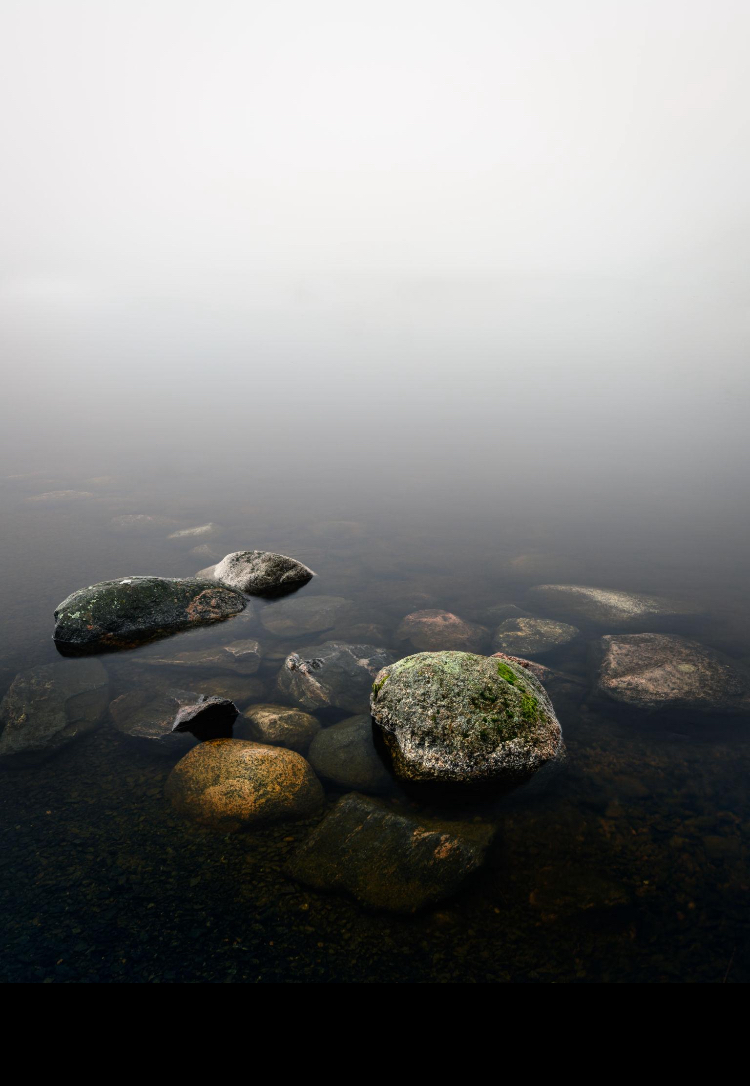
The visible spectrum may come to an end, yet the essential colors remain—and one of them is grey. Neither black nor white, neither “yes” nor “no,” grey exists in the space in between. When the sky fills with grey clouds, the world often seems to lose its color. For many, this brings a drop in…
-

White is the embodiment of purity and clarity. It evokes a sense of peace, calmness, simplicity, and mental clarity. This color has the ability to ease tangled thoughts and create a feeling of emotional safety. Focusing on white surroundings—such as a wall or natural elements like snow—can help bring a sense of order and quiet…
-

Pure black holds a wide range of meanings and emotional qualities. For many women, it symbolizes effectiveness, elegance, and sophistication. Black absorbs all light, reflecting nothing back. Because of this, it can create an atmosphere of mystery and emotional safety—a kind of protective barrier behind which one can retreat and feel sheltered. However, black can…
-
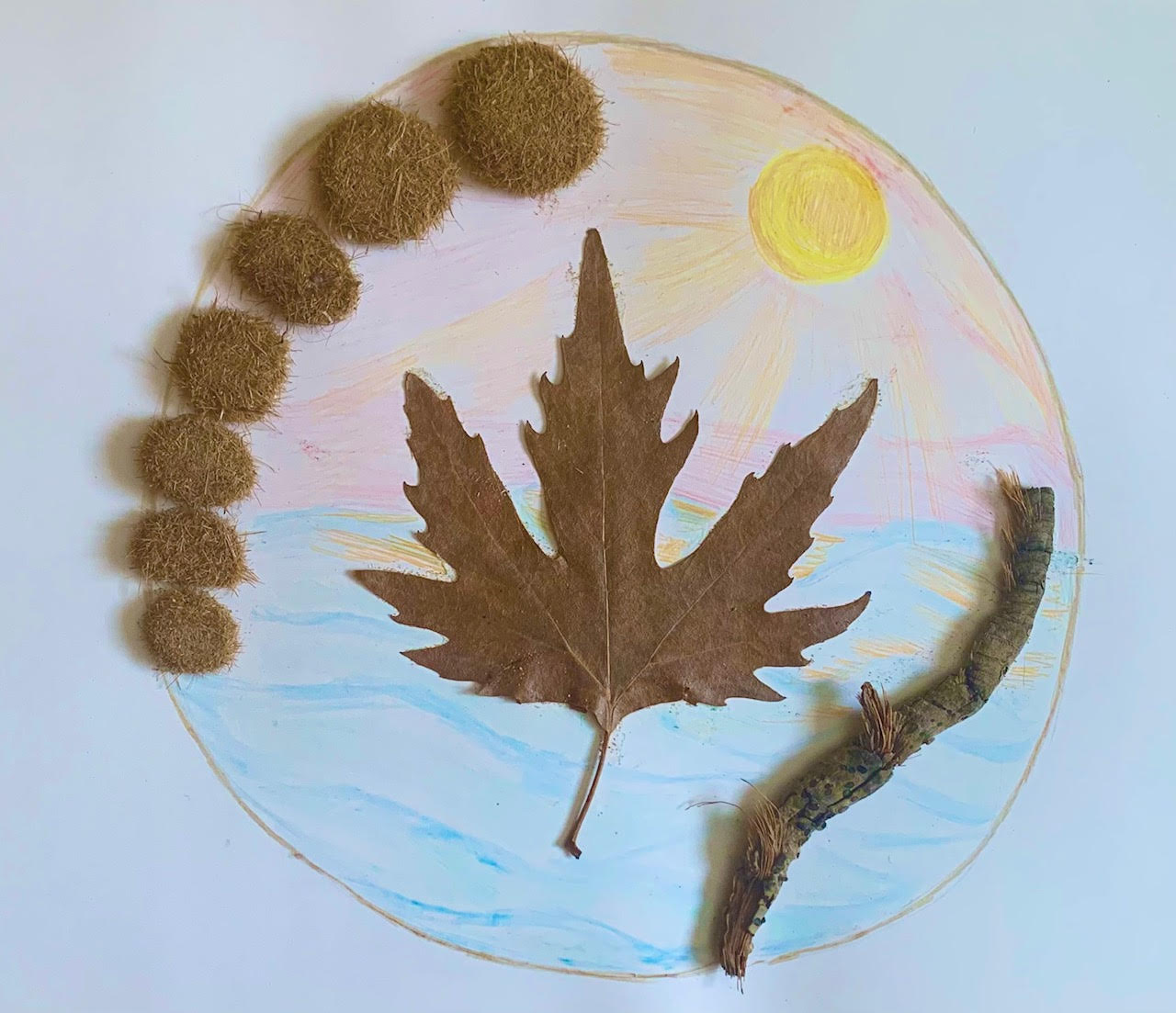
The Anthroposophical Twelve Senses To create more concrete tools for working with nature in dramatherapy, the research focuses on using the senses. Specifically, the anthroposophical theory of the twelve senses, which offers a broader framework. At Leiden University of Applied Sciences there is a program called Anthroposophically Inspired Creative Therapy (AG). Anthroposophy is a modern social movement that…
-
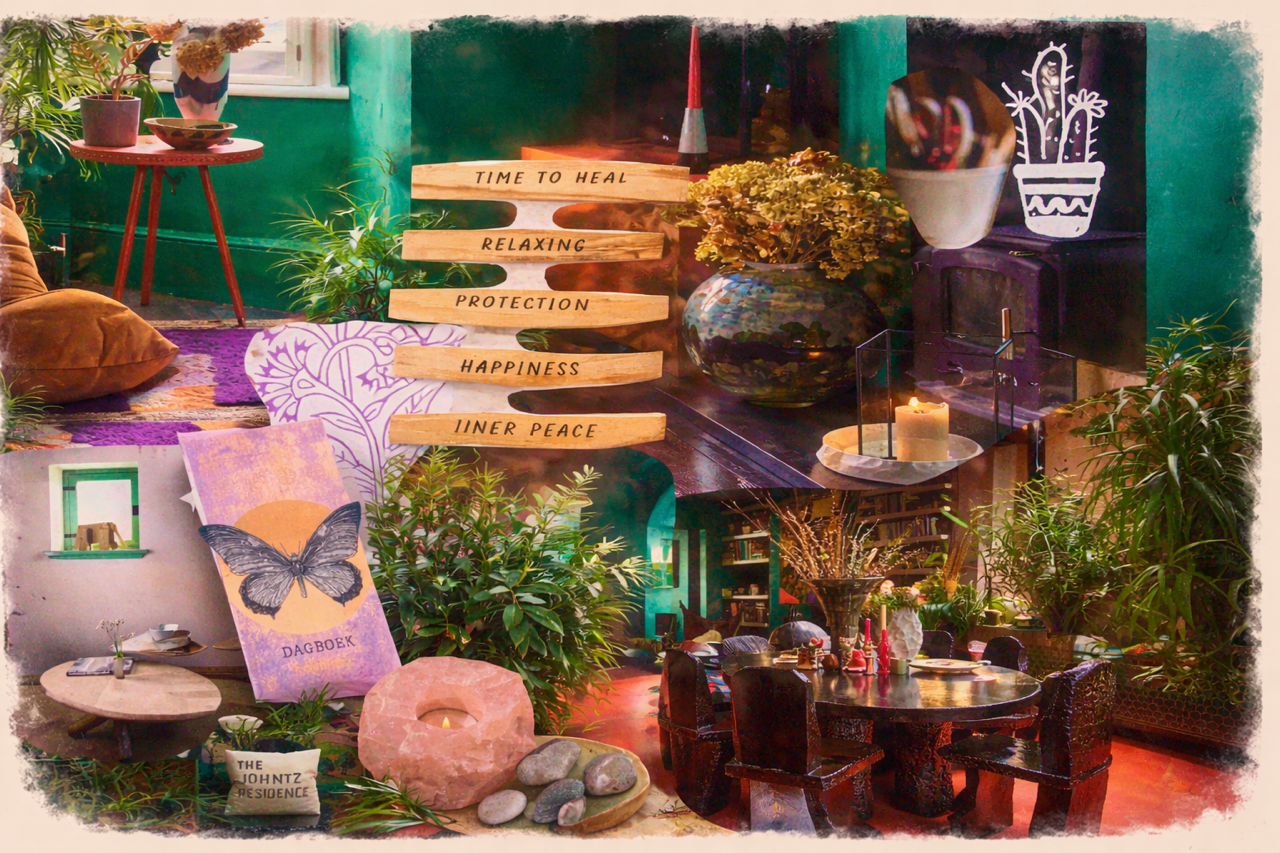
By Katarina Gaborova and Thea Bailey Working in high-pressure environments over time can negatively affect mental and emotional well-being, as well as relationships. The case of Alan, a healthcare worker, shows how long hours, stress, and personal factors can lead to anxiety and burnout. Even when progress is made, burnout can return if underlying triggers…
-
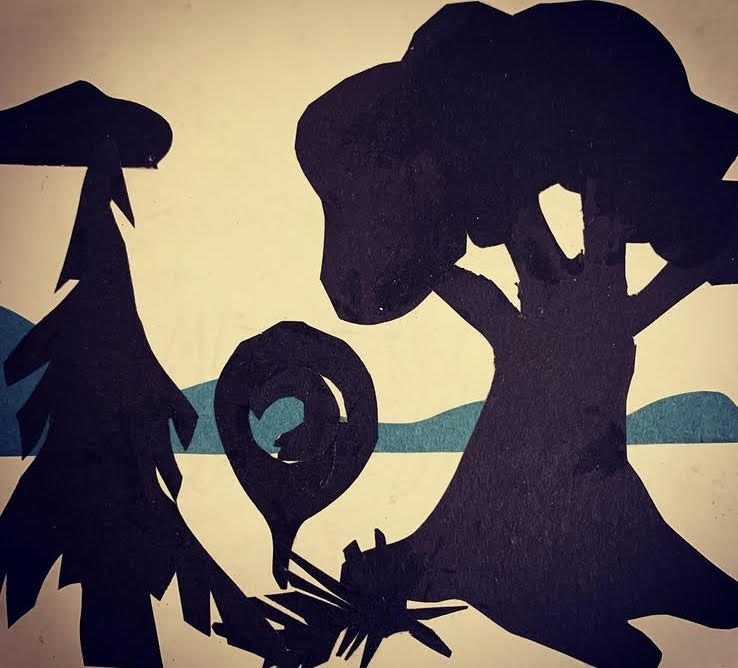
Spring is often seen as a season of renewal, yet it’s also a time when mental health conditions can intensify. One of the most common is depression. Severe depression usually cannot be treated by a psychologist or art-therapist alone. It often requires medical support and the involvement of a psychiatrist. That’s why early recognition is…
-

What if you are experiencing unexplained pain somewhere in your body? What if that discomfort is not just physical—but emotional? Our bodies often carry what we cannot express in words. Emotions like fear, anger, shame, or even joy don’t just live in our minds—they can be felt in different parts of the body—sometimes as tension,…
-
According to the latest survey conducted by the American Art Therapy Association (AATA), people seek art therapy for a wide range of challenges—highlighting just how versatile and impactful this practice can be. The survey identifies the most common concerns clients bring to art therapists: These findings demonstrate that art therapy is not limited to a…